Drummondville grew fast along the Saint-François River during the industrial boom, and much of its soil profile reflects that glacial and fluvial history. The city sits on a mix of Champlain Sea clay, sand terraces, and till from the last ice retreat. That layered stratigraphy creates sharp impedance contrasts, which means seismic waves can amplify unpredictably as they travel through soft clay into denser sand or till. We have seen projects where ignoring this effect led to unexpectedly high accelerations at the surface. Before any structural design, we run a full seismic amplification analysis in Drummondville to quantify that risk and match it to NBCC 2020 site class criteria.
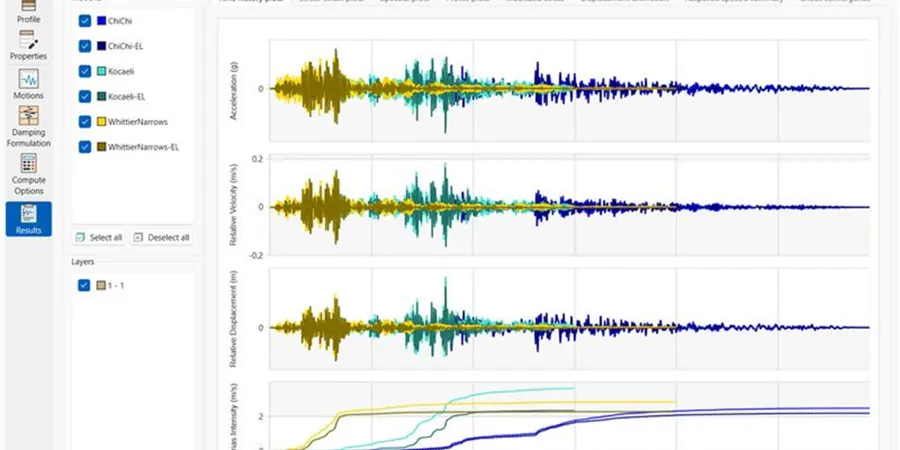
A 2-second shift in fundamental period can double the base shear on a mid-rise building in Drummondville clay.